

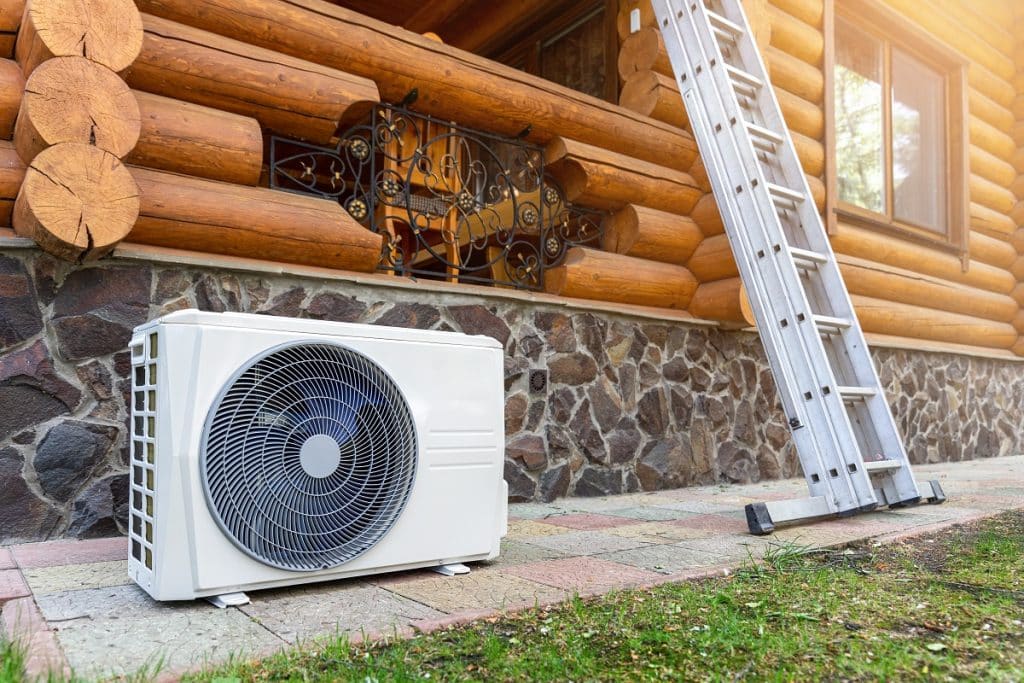
Adding a heat pump to your home is a great way to enjoy year-round comfort with one system. During the summer, the system removes heat from inside a house to provide cooling. In the winter, it reverses the process to keep the home warm.
Do Heat Pumps Need Smart Thermostats?
You don’t have to add a smart thermostat to your heat pump system, but it’s a good investment for several reasons. First, smart thermostats sync with your home’s Wi-Fi, making it easy to access the settings via your smartphone using a compatible app. If you accidentally forget to raise the temperature before you go to work, you can open the app and make the adjustment remotely.
Many smart thermostats come with geofencing capabilities, which automatically adjust the temperature based on whether you’re home or away. Some feature energy reports that let you see where you can make adjustments to reduce energy consumption for extra savings. Some versions also come with real-time climate monitoring to automatically adjust the temperature when the weather changes. All these features maximize the energy efficiency of the heat pump, helping the equipment to last longer and lower your utility bills.
How to Pick Out the Best Smart Thermostat for Your Heat Pump
Once you’ve made the choice to upgrade your heat pump with a smart thermostat, it’s time to go shopping, but you must put a laser focus on compatibility. You need to avoid installing a device only to discover that it doesn’t support your heat pump’s operation. This is why it’s so important to know the specific model number of your heat pump to verify compatibility as you’re shopping.
You’ll also need to consider whether your heat pump is a single-stage or multi-stage system. The latter can adjust its heating and cooling output according to your home’s changing comfort needs, leading to maximum energy savings. But if you don’t install a thermostat that comes with the ability to support multiple stages, you won’t be able to take advantage of the system’s full efficiency.
You also need to spend some time thinking about the different features you want the smart thermostat to provide. If you want the system to automatically lower the temperature when you’re on your way home from work, you’ll need to install a device that offers geofencing. Choosing a thermostat that works with occupancy sensors is another excellent way to improve energy efficiency. They will automatically adjust the temperature when it detects someone entering a specific room.
Experts agree that you can save anywhere from 10% to 23% on heating and cooling costs when you pair a heat pump with a smart thermostat. A skilled HVAC technician can look at your setup to determine whether you need one thermostat or multiple thermostats due to multiple zones or indoor air handlers. If you live in Lubbock, TX or a surrounding area and need thermostat services, make your first call to MAX HVAC and Plumbing Solutions.